
What Is the Average Cost of Professional Bathtub Refinishing?
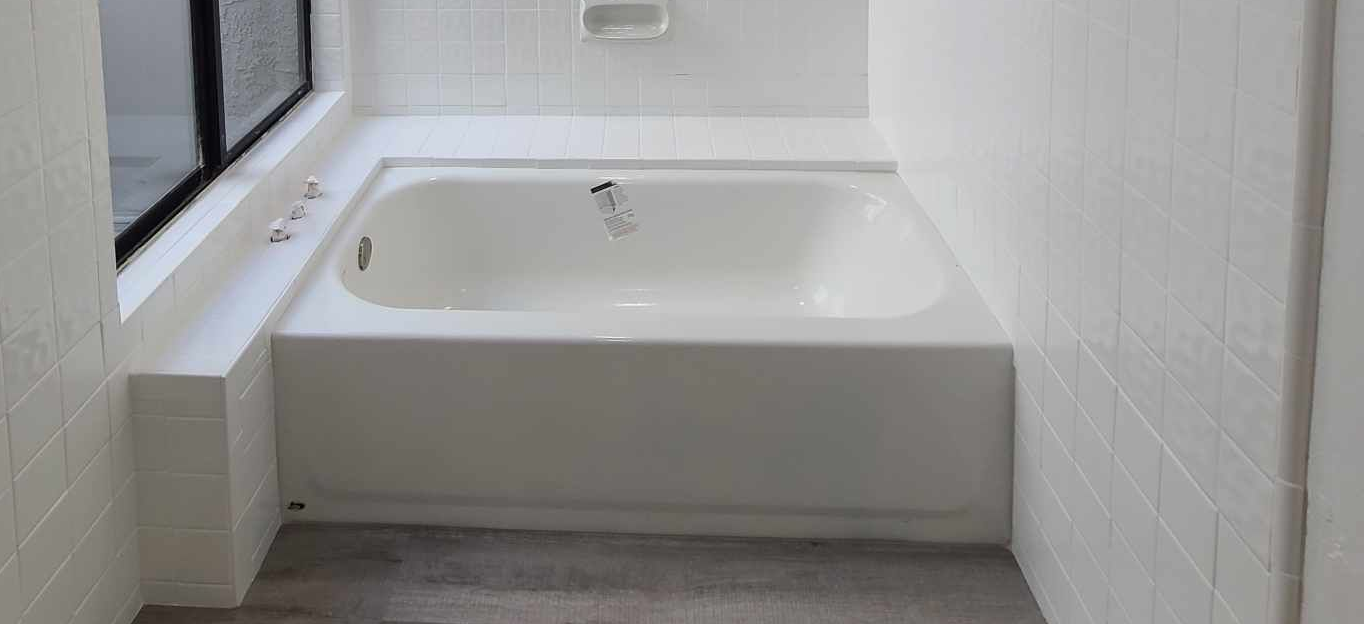
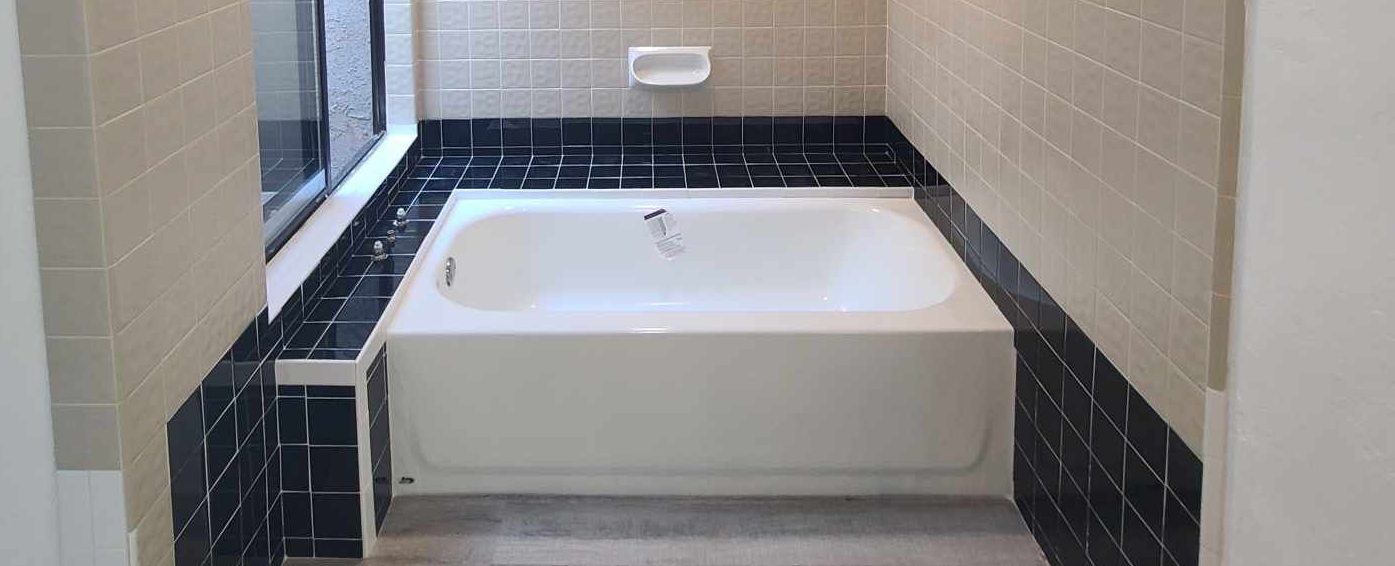
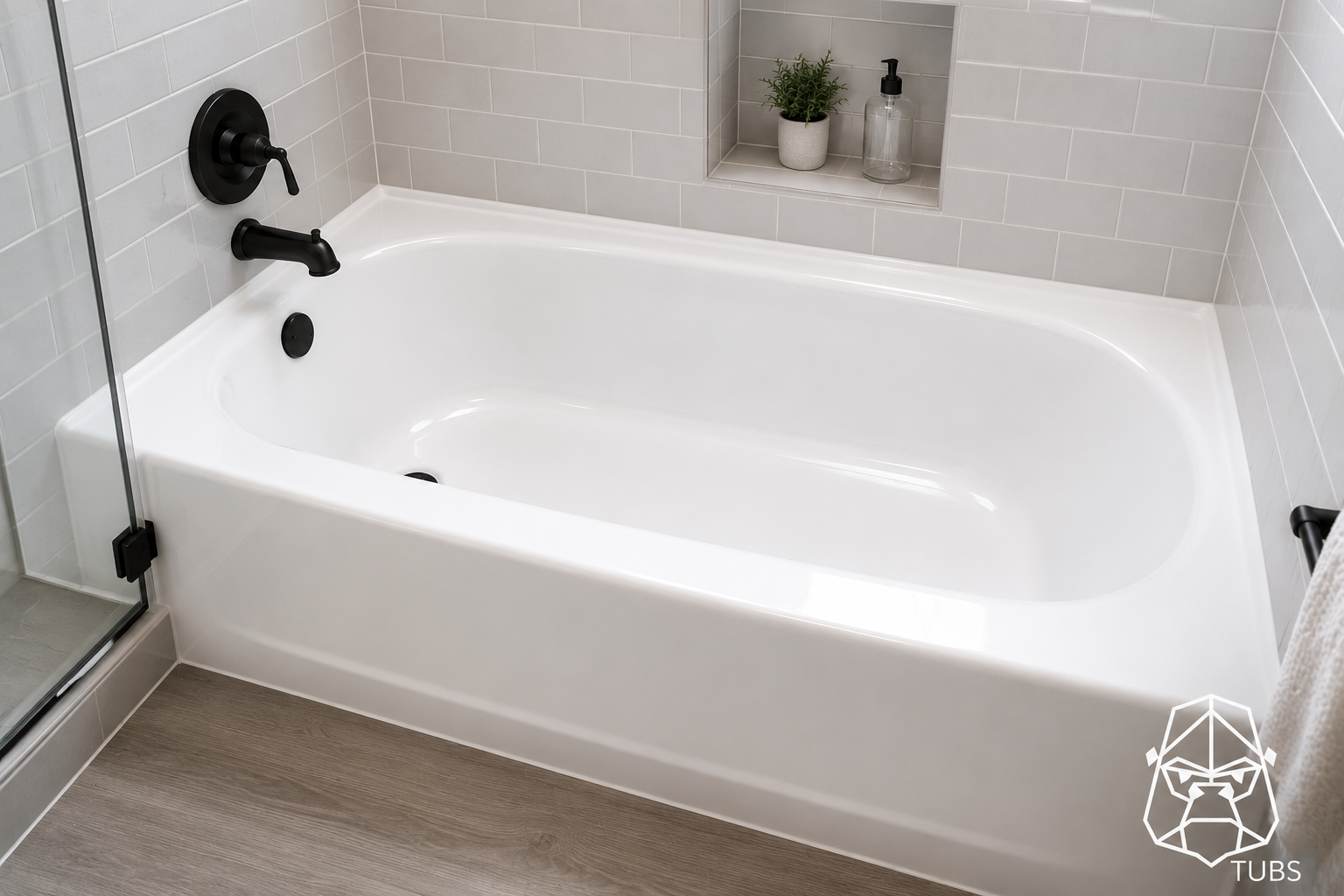
Bathtub refinishing performed by a professional contractor typically costs a few hundred dollars, although some projects may cost more. What is the cost of bathtub refinishing? The final price depends on the bathtub’s size, material and condition, along with the preparation or repair work required before the new finish can be applied.
Gorilla Tubs Refinishing helps homeowners throughout the Palm Springs area restore worn, stained and outdated bathtubs without removing fixtures that are still structurally sound. Owner Jasen evaluates each bathtub individually because different surfaces and levels of damage require different amounts of preparation.
A standard bathtub with discoloration or normal surface wear will usually require less work than one with chips, cracks, rust or a peeling previous coating. Damaged areas must be repaired and properly prepared so they do not remain visible or interfere with the durability of the new finish.
Fiberglass bathtubs may require additional attention when they have cracks, holes or areas that flex under pressure. Antique, clawfoot and freestanding bathtubs can also involve more work, particularly when both the interior and exterior surfaces need to be restored.
The size and scope of the project also affect the estimate. Refinishing only the bathtub is a smaller project than refinishing an entire tub-and-shower combination. Homeowners should explain whether they want the bathtub alone restored or also want work completed on the surrounding shower walls or tile.
Professional bathtub refinishing involves considerably more than applying a new coating. The surface must be thoroughly cleaned and prepared, and the surrounding bathroom areas must be protected. Chips or other minor imperfections may also need to be repaired before the new finish is applied.
Homeowners comparing estimates should ask what each price includes. An unusually low estimate may not include the same preparation, repair work, materials or warranty coverage as another quote. It is helpful to determine whether minor repairs, previous coating removal, preparation and cleanup are included or priced separately.
Refinishing is generally much less expensive and disruptive than replacing a structurally sound bathtub. A complete replacement can involve demolition, disposal, plumbing work, installation and repairs to the surrounding tile or bathroom surfaces. Refinishing allows the existing bathtub to remain in place while restoring its appearance.
Clear photographs can help Gorilla Tubs Refinishing better understand the condition of a bathtub before providing an estimate. Homeowners should include a picture of the entire tub along with close-up images of cracks, chips, rust, peeling or other damaged areas.
It is also important to disclose whether the bathtub was refinished previously. Even when the homeowner is unsure, mentioning the possibility helps Jasen evaluate whether an existing aftermarket coating may require additional preparation.
For freestanding and clawfoot tubs, homeowners should specify whether the exterior also needs to be refinished. If nearby tile or shower walls are included, those surfaces should be identified separately so the estimate reflects the entire project.
Rather than applying one price to every bathtub, Gorilla Tubs Refinishing considers the condition of the existing surface and the work required to restore it. This gives Palm Springs-area homeowners an estimate based on the needs of their specific bathtub.
What Are the Cons of Reglazing a Tub?
Bathtub reglazing can restore the appearance of a worn or outdated fixture, but it is not appropriate for every bathtub. The most important limitation is that reglazing improves the surface without correcting major structural problems beneath it.
A bathtub with serious cracks, leaks, instability or extensive deterioration may need substantial repair or replacement. Applying a new coating may improve its appearance temporarily, but it will not resolve an underlying structural issue.
Homeowners must also allow the reglazed surface to cure before using the bathtub. The required waiting period depends on the coating system and the conditions inside the bathroom. Using the tub too soon could damage the new surface and affect its durability.
A reglazed bathtub also needs to be cleaned and maintained correctly. Harsh chemicals, abrasive cleaners and rough cleaning tools can scratch or wear down the coating. Following the refinisher’s care recommendations can help the restored surface remain attractive for longer.
Proper preparation is essential. The new coating needs a clean, dry and stable surface to form a strong bond. If soap residue, moisture, rust or loose material remains on the tub, the finish may peel, bubble or wear prematurely.
A previous refinishing job can create another challenge. When an older aftermarket coating begins peeling or failing, the damaged material may need to be removed or corrected before a new finish can be applied. This additional preparation can increase the amount of work involved.
Reglazing materials can produce noticeable odors and fumes during application. Professional ventilation and safety procedures are important, and homeowners may need to stay outside the immediate work area while the coating is applied and begins curing.
Reglazing also cannot change the bathtub’s size, shape or general design. It can renew the surface, address minor cosmetic damage and provide an updated color, but it cannot transform the fixture into an entirely different style.
If the homeowner dislikes the bathtub itself or intends to begin a full bathroom renovation soon, replacement may offer better long-term value. If the tub remains solid and the main concerns are stains, fading or surface wear, reglazing may be a practical alternative.
Before accepting a project, Jasen evaluates the bathtub to determine whether refinishing is appropriate. Gorilla Tubs Refinishing can then explain whether the fixture is a suitable candidate or whether its condition may require a different solution.
What Is the Difference Between Bathtub Reglazing and Refinishing?
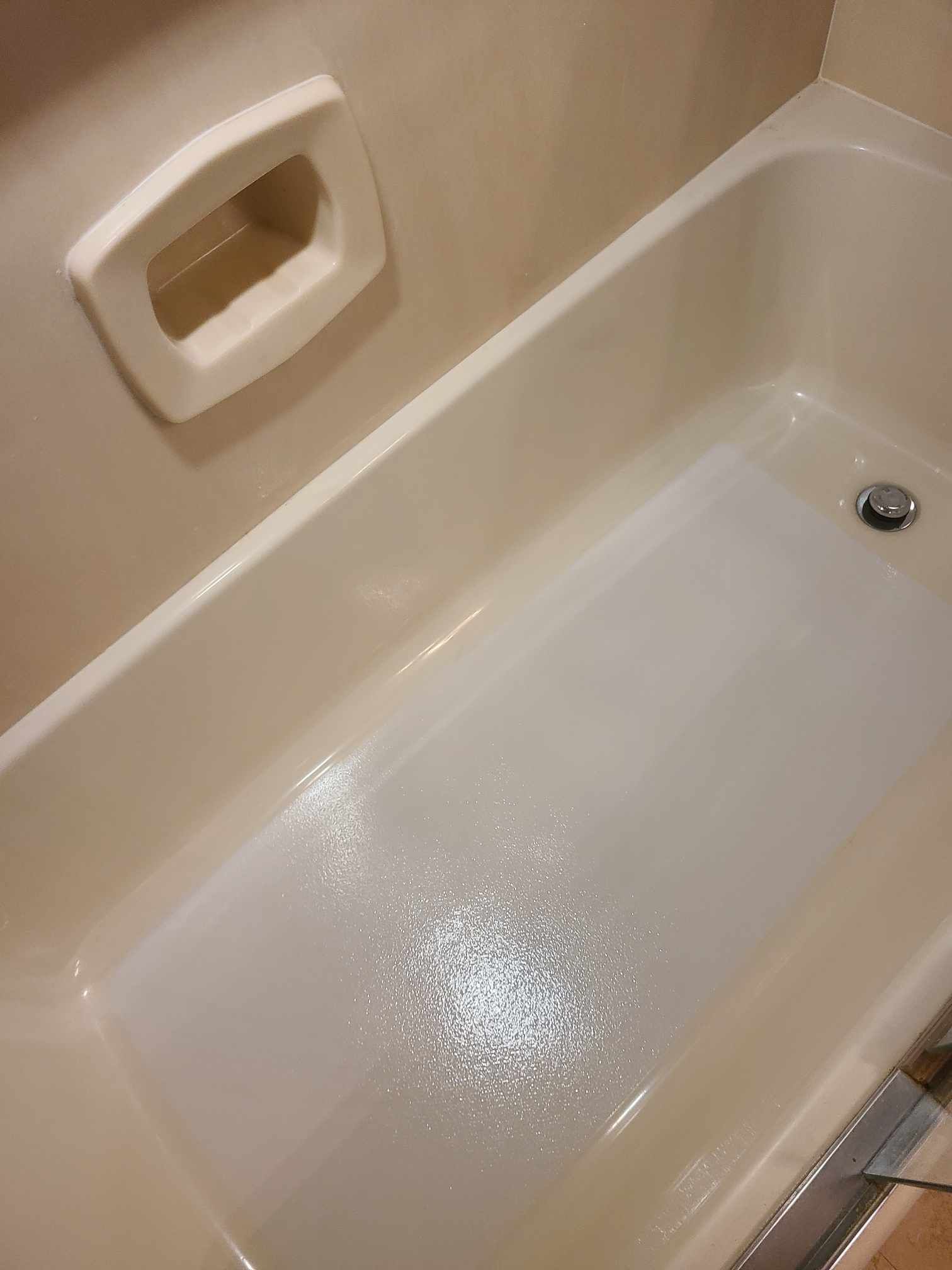
The terms bathtub reglazing and bathtub refinishing are frequently used to describe the same general service. Both involve restoring the existing surface of a bathtub without removing and replacing the entire fixture.
Bathtub refinishing usually includes cleaning the tub, correcting minor surface damage, preparing the existing finish and applying a professional coating system. The word reglazing is often used to describe the application of the smooth, glossy new finish.
Modern refinishing products are not necessarily the same type of glaze originally applied when the bathtub was manufactured. However, the term reglazing remains widely used by homeowners and service providers.
Because the two terms are commonly used interchangeably, homeowners should pay more attention to the work included than to the name of the service. One company may advertise bathtub reglazing while another calls a similar process bathtub refinishing.
At Gorilla Tubs Refinishing, preparation is an important part of the service. The tub must be inspected and cleaned, and damaged areas must be identified before the new coating is applied. A failed previous finish may also require additional attention.
Before hiring a refinishing professional, homeowners should ask how the bathtub will be prepared, whether minor repairs are included and how an existing coating will be handled. They should also determine which surfaces are covered and how long the finish must cure.
DIY reglazing kits are available, but using one is different from hiring an experienced refinishing professional. With a DIY product, the homeowner becomes responsible for cleaning, sanding, repairing, masking, applying the coating and observing all necessary safety precautions.
The preparation performed before applying the new finish has a significant effect on the result. A coating applied over moisture, soap residue, rust, loose material or an unstable previous finish may not bond correctly.
A failed DIY application can leave a homeowner paying for the original kit and then hiring a professional to correct the surface. Professional refinishing may be a more appropriate option for a valuable tub, a visibly damaged surface or a bathtub with a previous coating that is already peeling.
Whether a contractor calls the service reglazing or refinishing, homeowners should consider the company’s preparation process, experience, materials and warranty. These details provide more useful information than the service name alone.
What Is the Difference Between Resurfacing and Refinishing a Bathtub?
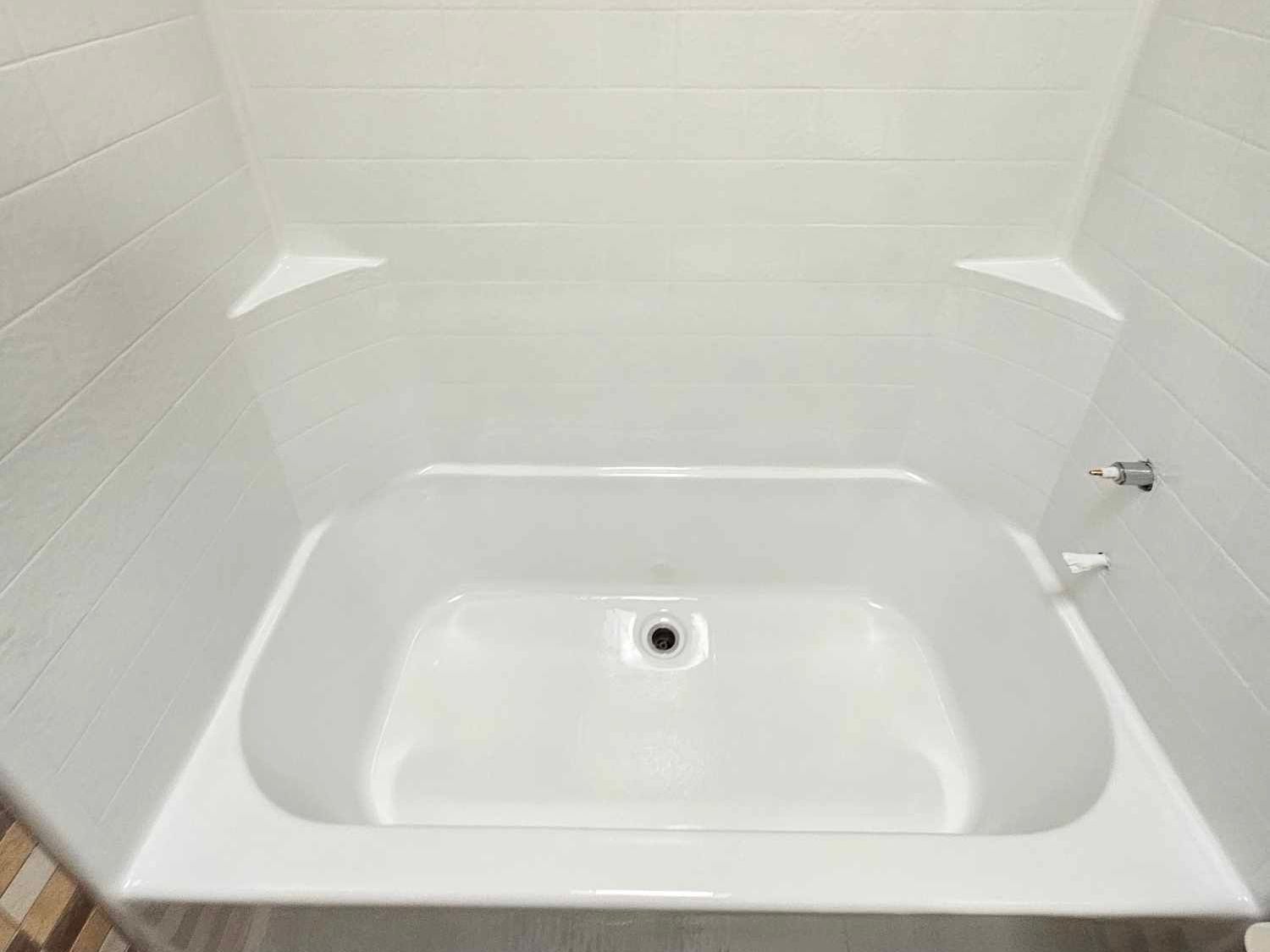
The terms bathtub resurfacing and bathtub refinishing are also commonly used interchangeably. Both generally describe restoring the visible surface of an existing bathtub rather than removing and replacing the entire fixture.
The word resurfacing emphasizes creating a renewed outer surface. The word refinishing describes the broader process of cleaning, preparing, repairing and applying the new finish. In practical use, both terms often refer to the same professional service.
The exact work included can vary between contractors. Homeowners should not assume every resurfacing or refinishing estimate covers the same preparation and repairs. One contractor may include minor chip repair, while another may price it separately.
The same is true for an old or failing coating. Removing loose material or correcting a previous refinishing job may be included in one estimate but treated as additional work in another.
When Gorilla Tubs Refinishing evaluates a bathtub, Jasen considers more than its color and shine. He looks at the overall condition, identifies visible damage and checks for signs that the tub may have been refinished previously.
A clear estimate should explain whether cleaning, surface preparation, minor repairs, coating materials and cleanup are included. It should also specify whether the project covers only the bathtub or includes surrounding shower walls or tile.
Bathtub resurfacing or refinishing is usually best suited to cosmetic concerns such as:
- A faded or outdated color
- Stubborn staining
- Light scratches
- Minor chips
- Normal surface wear
- A dull or worn finish
Structural problems require a different approach. Major cracks, leaks, severe deterioration and instability may require extensive repair or complete replacement rather than another surface coating.
The homeowner’s future plans should also be considered. Restoring a solid bathtub can make sense when the owner likes its size and design and wants to continue using it. Refinishing may offer less value if the bathtub no longer meets the homeowner’s needs or will soon be removed during a complete remodel.
When the existing fixture remains structurally sound, professional resurfacing can restore its appearance without the demolition, disposal and plumbing work commonly associated with replacement. It can also reduce the risk of disturbing surrounding tile and other bathroom surfaces.
Gorilla Tubs Refinishing helps homeowners throughout the Palm Springs area determine whether resurfacing is suitable for their bathtubs. By evaluating each fixture individually, Jasen can recommend a solution based on its condition and the homeowner’s plans for the bathroom.